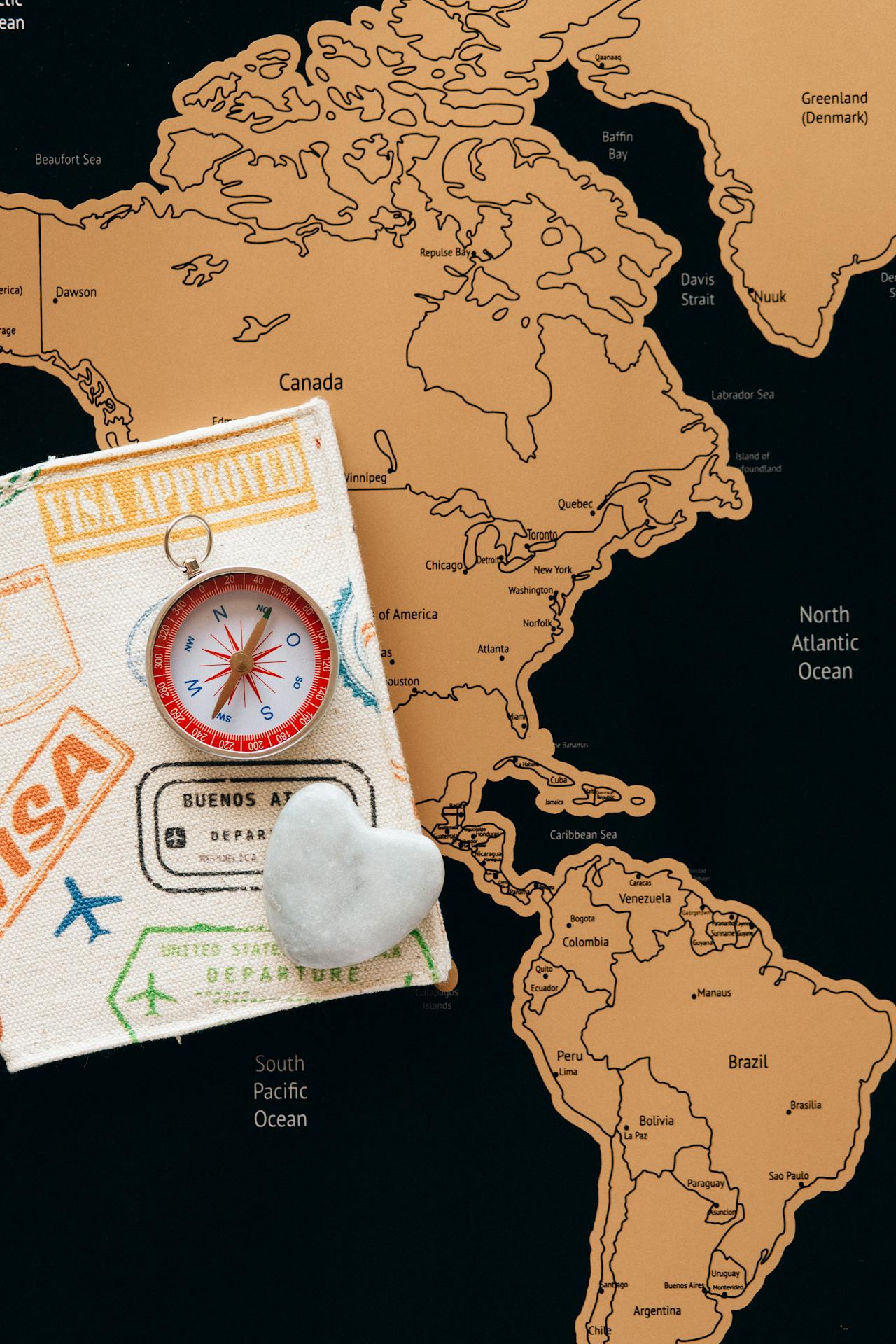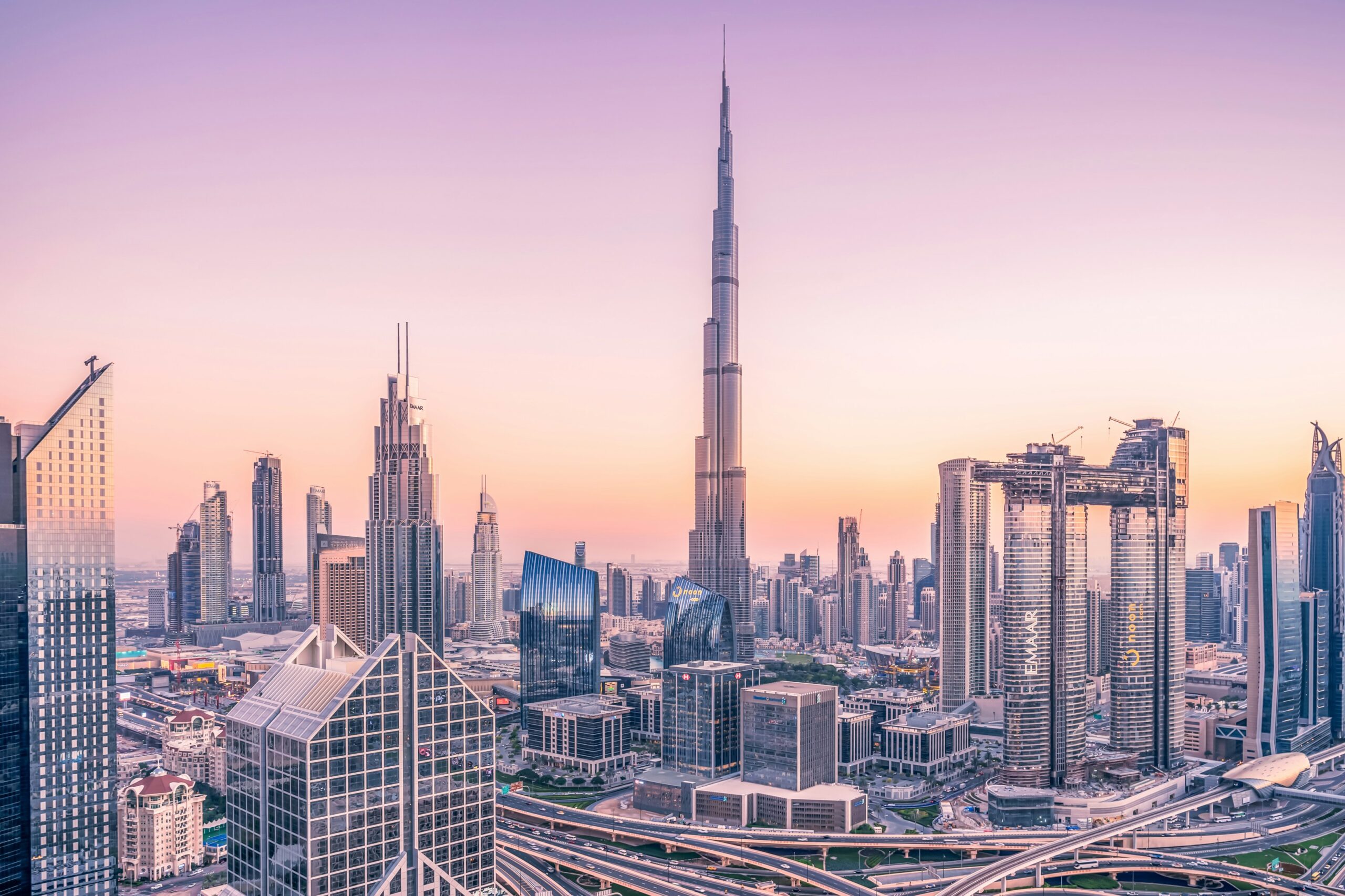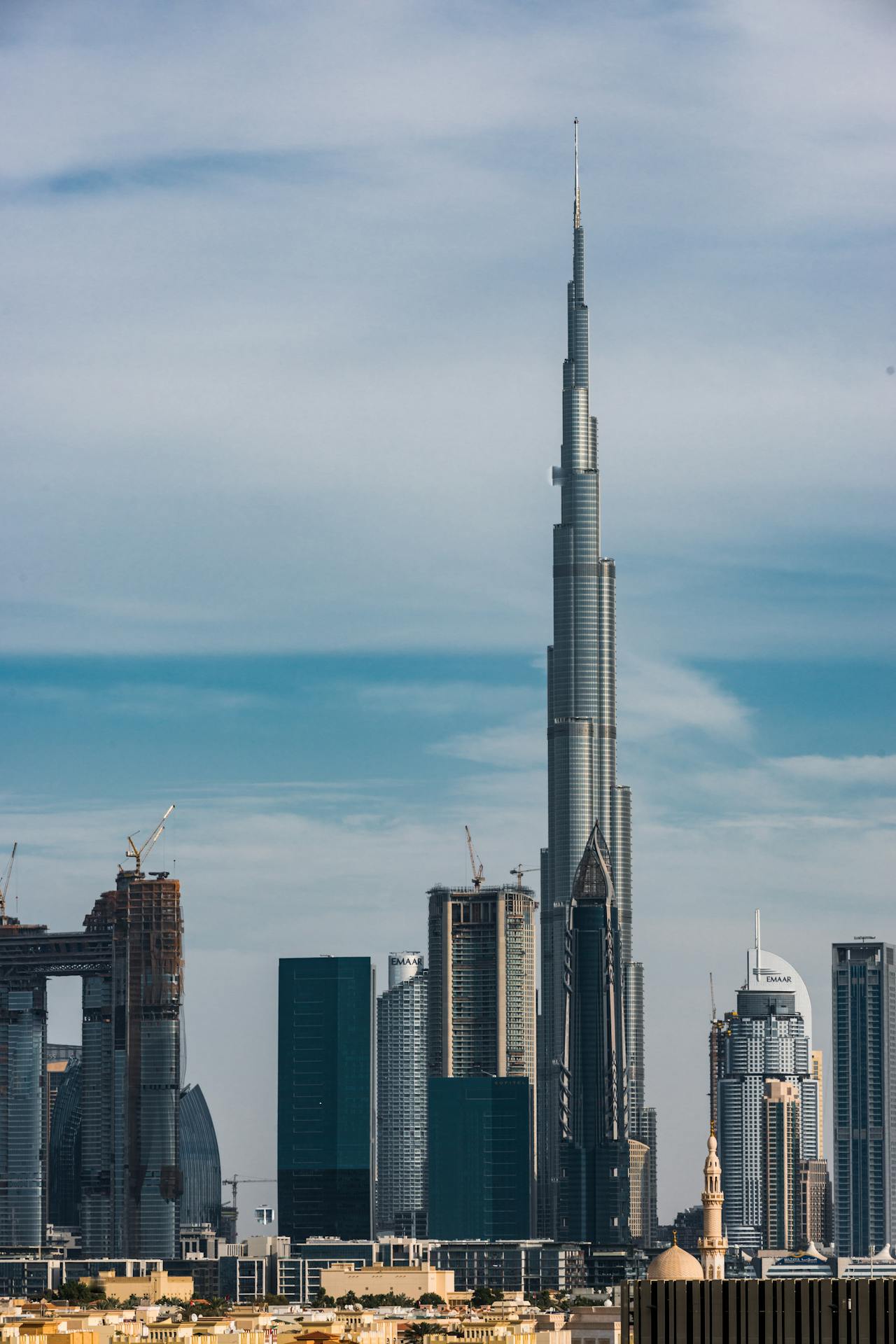
The most photographed places on earth are not always the best ones. In 2027, the real reward goes to travelers who look slightly sideways — past the obvious capitals and postcard cliffs — toward places that still have breathing room, affordable beds, and locals who are genuinely glad you showed up. This article is a field-tested guide to hidden gem travel destinations in 2027 that I have personally researched, visited, or verified through trusted regional contacts. You will leave with 10 specific destinations, real budget numbers, honest logistics, and the tools to find your own underrated corners of the map.
This is for the traveler who has already done Barcelona, Bali, and Bangkok. Who wants cultural depth without the selfie stick crowds. Who has a finite budget and finite time, and needs every day to count. I have spent 14 years finding places before the travel magazines catch on. Here is what I know heading into 2027.
The 10 Best Hidden Gem Travel Destinations of 2027
1. Georgia (The Country)
Georgia sits at the crossroads of Europe and Asia with a food culture that deserves its own documentary series, a wine tradition that dates back 8,000 years, and a mountain landscape that makes the Alps look crowded. The capital, Tbilisi, has a crumbling, layered beauty — Ottoman bathhouses next to Soviet brutalism next to new wine bars — and it has not yet been swallowed by the tour group circuit.
How to get there: Direct flights from Istanbul, Vienna, and Warsaw average $180–$260 return from most European cities. From North America, route through Istanbul or Frankfurt. Flying into Tbilisi International Airport (TBS) is the only sensible option.
Daily budget: $35–$55 covers a private room in a well-reviewed guesthouse, three meals including a bottle of natural wine, and local transport. I spent $41 per day in Tbilisi in late 2023 eating better than I ever have in Paris.
Best time: May–June and September–October. Summers hit 35°C in Tbilisi, and January in the mountains is not for the underprepared.
Who it’s perfect for: Food travelers, hikers (the Kazbegi region is world-class), wine enthusiasts, and anyone who wants a city break that feels genuinely different.
Practical note: The marshrutka (minibus) network is cheap but timetables exist mostly in theory. Budget an extra hour on any intercity journey.
2. Albania
Albania’s Riviera delivers Adriatic water in shades of turquoise that rival the Maldives, at a fraction of the cost. The city of Berat — a UNESCO town of white Ottoman towers — sees a fraction of the traffic that Dubrovnik handles on a Tuesday in July. The country opened late to tourism due to its communist isolation, which means infrastructure is still catching up, but that is precisely what keeps prices honest.
How to get there: Fly into Tirana (TIA). Budget carriers including Wizz Air and Ryanair serve it from multiple European hubs for as little as $40 one-way. The ferry from Bari, Italy ($60–$80 each way) is a genuine overnight option with a certain romance to it.
Daily budget: $30–$50. Accommodation in Berat or Gjirokastër runs $15–$25 per night for a private room. A full sit-down dinner with raki costs $8–$12.
Best time: May–June or September. The Riviera peaks badly in August — Albanians from the diaspora return en masse and prices triple.
Who it’s perfect for: Budget travelers, history readers, coastal beach seekers who resent paying €25 for a sun lounger in Croatia.
Practical note: Card acceptance is improving but bring cash, especially outside Tirana. ATM fees can reach 3–4% at tourist-facing machines.
3. North Macedonia
Ohrid is one of Europe’s oldest continuously inhabited cities, set on a lake so blue it appears digitally altered. UNESCO has protected both the lake and the city. There are Byzantine churches carved into cliffsides, Roman theater ruins, and a functioning monastery that will rent you a room for €20 a night. Most European travelers could not place North Macedonia on a map, which is the entire point.
How to get there: Fly into Skopje (SKP) with Wizz Air, Pegasus, or Turkish Airlines. Connections from Western Europe average $90–$180 return. From Skopje, a direct bus to Ohrid takes 3 hours and costs $7.
Daily budget: $28–$45. One of the lowest cost-of-living ratios in Europe. A taverna meal with grilled trout from Lake Ohrid and a carafe of local wine runs about $10.
Best time: May–September for the lake. Skopje is manageable year-round. Avoid mid-August if you want the lakeside promenade to yourself.
Who it’s perfect for: History enthusiasts, those in recovery from over-priced Western Europe, slow travelers who want a base that does not rush them.
Practical note: The road between Skopje and Ohrid is mountain-winding. If you suffer from motion sickness, sit at the front of the bus and bring medication.
4. The Faroe Islands
Eighteen islands halfway between Norway and Iceland, with no mass tourism infrastructure to speak of and weather that changes every 20 minutes. The Faroe Islands are dramatic in a way that is almost absurd — vertical cliffs dropping into the North Atlantic, villages built on ledges that have no business existing, puffins sitting three feet away from you on a coastal path. This is not a budget destination, but it is a completely uncrowded one.
How to get there: Atlantic Airways flies direct from Copenhagen, Reykjavik, and Edinburgh. From Copenhagen, return flights average $250–$400. Book the left window seat on approach to Vágar Airport — the descent between the fjords is worth documenting.
Daily budget: $150–$220. Accommodation is expensive and must be booked 3–6 months ahead. Self-catering cuts costs significantly. Supermarkets in Tórshavn are cheaper than restaurants by a factor of three.
Best time: June–August for the longest daylight. February–March for the northern lights and near-total solitude. Puffin season runs May–August.
Who it’s perfect for: Photographers, hikers, nature-focused travelers, anyone who has exhausted Iceland and wants its quieter, less-visited cousin.
Practical note: Trails are not always signposted. Download the Visit Faroe Islands app before you land — it has offline trail maps that have saved multiple navigational embarrassments on my part.
5. Oman
While its Gulf neighbors compete for the title of most extravagant skyline, Oman does something far more interesting: it keeps its culture intact. Muscat is calm, clean, and walkable in a way that Dubai will never be. The Wahiba Sands desert is two hours from the capital. The wadis (river canyons) are genuinely extraordinary, and the frankincense trail in Salalah is a UNESCO site that almost nobody visits.
How to get there: Fly into Muscat (MCT). Oman Air, British Airways, and Emirates all serve it. From London, return fares average $450–$700. From Asia or East Africa, connections are easier and cheaper.
Daily budget: $60–$100 mid-range. A rental car is nearly essential ($30–$45/day), as public transport is limited outside Muscat. Budget travelers can manage on $50/day with hostel dormitories and self-catering.
Best time: October–March. Salalah’s khareef (monsoon) season, July–September, is a deliberate choice for a completely different landscape — the landscape turns green and misty, unlike the rest of the Arabian Peninsula.
Who it’s perfect for: Those seeking a Middle East introduction without the commercial overwhelm, desert enthusiasts, divers (the Musandam Peninsula is world-class).
Practical note: Dress codes apply in mosques and souqs. The Grand Mosque in Muscat admits non-Muslim visitors 8–11am Saturday through Thursday only — confirm hours before making it the centerpiece of a morning.
6. Rwanda
Rwanda’s gorilla trekking is not a hidden gem in the sense of being unknown — it is a hidden gem in the sense that people still do not realize how accessible it has become. The country is extraordinarily well-organized, genuinely safe, and doing conservation work that is measurably working: the mountain gorilla population has grown for the first time in decades. Kigali is also one of Africa’s most livable, cleanest cities, and worth two days on its own terms.
How to get there: Fly into Kigali (KGL). RwandAir has expanded significantly. From Europe, connections through Nairobi, Dubai, or Brussels average $600–$900 return depending on timing.
Daily budget: $80–$120 excluding the gorilla permit, which costs $1,500 per person per trek. That fee funds conservation directly. Budget travelers can base in Kigali on $50/day. The gorilla trek is a one-time cost, not a daily one.
Best time: June–September (dry season). February–March has fewer tourists and lower accommodation prices, with still-manageable trails.
Who it’s perfect for: Wildlife focused travelers, those interested in post-conflict reconstruction, anyone who wants an African safari without the “fly-in luxury lodge” price point for the non-gorilla days.
Practical note: Gorilla permits sell out months ahead. Book directly through the Rwanda Development Board website. Third-party operators add a $200–$400 markup for the same permit.
7. Uzbekistan
The Silk Road cities of Samarkand, Bukhara, and Khiva contain some of the most extraordinary Islamic architecture on the planet. The Registan in Samarkand is a trio of tiled madrassas that photographs cannot capture — the scale and color need to be stood in front of. Uzbekistan has been reforming and opening since 2017, and tourism infrastructure has improved dramatically without yet reaching saturation point.
How to get there: Fly into Tashkent (TAS) as a hub. Turkish Airlines, Flydubai, and Uzbekistan Airways connect from major hubs. From Europe, returns average $400–$650. The high-speed Afrosiyob train links Tashkent, Samarkand, and Bukhara ($8–$15 per segment).
Daily budget: $35–$60. Accommodation in Bukhara’s old city guesthouses averages $20–$35 per night for a private room. Plov (the national rice dish) from a local oshkhona costs $2–$3 and is one of the best meals I have had anywhere.
Best time: April–May or September–October. Summers in the desert cities hit 40°C. Winters are cold and most monuments are less atmospheric.
Who it’s perfect for: History travelers, architecture enthusiasts, anyone who has exhausted obvious Central Asian gateways and wants something transformative on a modest budget.
Practical note: The e-visa system is now reliable for most nationalities (check your specific passport). Apply at least 3 days before travel. Carrying US dollars for exchange gives you a better rate than card transactions.
8. Montenegro
Montenegro is roughly the size of Connecticut and contains: a UNESCO-listed fjord (the Bay of Kotor), a medieval walled town (Kotor itself), a beach coast that rivals any in the Mediterranean, and a mountain interior (Durmitor National Park) with a canyon deeper than the Grand Canyon. The country has been developing tourism fast, but the interior remains almost completely unvisited. Base yourself in Kotor, but spend at least two days in Žabljak if mountains are your preference.
How to get there: Fly into Podgorica (TGD) or Tivat (TIV), which is closer to Kotor. Ryanair, Wizz Air, and easyJet serve both in summer. Return fares from the UK or Western Europe average $80–$200 in shoulder season.
Daily budget: $45–$75. Kotor’s old town is more expensive than the rest of the country; accommodation 10 minutes outside the walls costs 40% less for comparable quality.
Best time: May–June or September–October. July and August in Kotor are genuinely hot and crowded with cruise ship passengers. I have counted four cruise ships in the bay simultaneously — each one discharges 2,000–4,000 people into a town built for 600.
Who it’s perfect for: Couples, hikers, those doing a Balkan circuit, anyone who wants Croatia’s scenery at roughly 60% of the price.
Practical note: Montenegro uses the euro despite not being in the EU. This is good for budgeting but means no currency advantage for non-euro travelers.
9. The Azores (Portugal)
Nine volcanic islands in the middle of the Atlantic, technically Portuguese but feeling like something else entirely. São Miguel has crater lakes in two different colors sitting inside the same volcano rim. Pico Island’s vineyards are UNESCO-listed — stone-walled plots built by hand to shield grapes from Atlantic wind. Whale watching is not a tourist gimmick here; the Azores sits on a migration route that makes sightings near-guaranteed from April through October.
How to get there: SATA/Azores Airlines connects from Lisbon (1.5 hours, from $60 return), Boston (5 hours, seasonal direct from ~$350), and London (4 hours, from $120 in shoulder season). Flying into Ponta Delgada (PDL) on São Miguel gives the most onward options.
Daily budget: $65–$100. More expensive than mainland Portugal but significantly cheaper than Iceland for a comparable volcanic landscape. Accommodation books up fast in summer — plan 4–6 months ahead for July and August.
Best time: May–June for whale season, green landscapes, and pre-peak prices. September for warm water and calmer crowds.
Who it’s perfect for: Nature travelers, short-haul seekers from North America’s East Coast, those who want volcano hiking without 24-hour flight connections.
Practical note: Renting a car is not optional on most islands — public buses are infrequent and don’t reach trailheads. A small car runs $35–$50/day. Roads are sometimes steep and narrow; automatic transmission reduces the stress considerably.
10. Bolivia
Bolivia is the highest, most isolated, most overlooked country in South America, and it contains the Salar de Uyuni — the world’s largest salt flat, 10,582 square kilometers of white that becomes a perfect mirror after rain. La Paz is the world’s highest capital city and has a functioning cable car network that is simultaneously functional public transport and one of the best city views I have experienced anywhere. Bolivia is not always easy, but it is undeniably singular.
How to get there: Fly into La Paz (LPB) or Santa Cruz (VVI). Connections route through Lima, Bogotá, São Paulo, or Miami. From North America, return fares average $500–$800. From Europe, $700–$1,100.
Daily budget: $30–$55. One of South America’s cheapest countries. A set lunch (almuerzo) in La Paz — soup, main course, juice — costs $1.50–$2.50. Budget hostels run $8–$12 per night in a dorm, $18–$28 private.
Best time: May–October (dry season). The Salar de Uyuni reflects best just after rains in November–March, but road access becomes challenging. I have seen both; the dry season is more reliable, the rainy season more dramatic.
Who it’s perfect for: South America travelers doing a circuit, those on tight budgets with long itineraries, anyone drawn to landscapes that have no real equivalent anywhere else on earth.
Practical note: Altitude sickness in La Paz (3,640m) is real and not predictable by fitness level. Give yourself 24 hours before strenuous activity. Diamox (acetazolamide) is available without a prescription in Bolivia — ask at the pharmacy on arrival if you are sensitive to altitude.
Common Mistakes Travelers Make With Off-the-Beaten-Path Destinations
Mistake 1: Booking flights without checking overland alternatives
On a Balkans trip, flying Tivat to Skopje often involves a connection through Belgrade or Vienna, costs $200+, and takes 6 hours. The direct bus takes 5 hours and costs $18. I have watched travelers spend $400 in flights over a two-week Balkans loop that could have been covered for $60 in buses. Check Rome2rio before you book any flight under 800km in Europe or Central Asia.
Mistake 2: Assuming less-visited means fewer logistics
Less-visited destinations often have worse infrastructure, not better. Missing a marshrutka in rural Georgia means waiting three hours for the next one. Roads in Bolivia wash out in the wet season. A 30-minute transfer in Albania can take 90 minutes on a bad-road day. Build buffer time into every junction. Treat the itinerary as a guide, not a contract.
Mistake 3: Converting the local experience into a packaged one
In Rwanda, booking every activity through an international operator adds 30–50% to the total cost and removes you from the actual country. For the gorilla permit, yes, book direct with the Rwanda Development Board. For getting around Kigali, use Yegomoto (the local moto-taxi app) at $1–$2 per short ride, not hotel taxi services at $15 for the same journey.
Mistake 4: Going in peak season and then complaining about crowds
August in the Azores, July in Kotor, and August in the Albanian Riviera are not hidden gem experiences. They are budget European beach experiences with smaller airports. The same places in May or October are completely different propositions. If shoulder season is not possible, set expectations accordingly.
Mistake 5: Ignoring visa lead times
Uzbekistan’s e-visa is fast (3 days). Some nationalities need a Letter of Invitation for certain Central Asian countries that takes 10–14 business days to process. Rwanda’s e-visa takes 3–5 days. Leaving this to the week before travel is how otherwise careful people miss flights they cannot get refunded.
Money-Saving Strategies for Underrated Travel Destinations
- Fly into a hub, overland to the destination: Flying into Tbilisi is more expensive than flying into Istanbul and busing 3 hours to the Georgian border. The Batumi border crossing by shared taxi from Trabzon costs $10. I have used this route four times.
- Use local booking platforms: In Uzbekistan, booking.com has fewer guesthouses listed than local platforms like Advantour or direct Telegram group inquiries. Prices on local channels average 25% lower.
- Eat where the workers eat: In every destination on this list, the market lunch costs a third of the restaurant lunch and is usually better. In Tashkent, the Chorsu Bazaar’s ground-floor food stalls serve plov to local workers at 7am. This is the best version of the dish in the city.
- Travel on Tuesday and Wednesday: Across the board, midweek flights to secondary airports are 15–30% cheaper than Friday and Sunday flights to the same destinations. This is not a theory — I track this over 12 years of booking.
- Rent accommodation with a kitchen for trips longer than 5 days: In the Azores and Faroe Islands especially, self-catering cuts the daily food budget by 40–60%. Supermarket shopping in these island destinations is affordable; restaurant pricing reflects the captive tourist market.
Pro Tips for Experienced Travelers
- Use Google Flights’ “Explore” map, not destination search: Open Google Flights, set your departure airport, leave the destination blank, and search by price for your travel window. I have found $180 return flights to Tbilisi, $90 to Tirana, and $130 to Tenerife this way on dates I was already free. Stop starting with a destination and then searching — start with a map and a budget.
- Follow the regional Facebook groups, not the subreddits: r/travel is generic. Facebook groups like “Albania Travel Tips” and “Oman Travelers” contain 50,000+ members sharing real-time information: which border crossing is slow today, which guesthouse just opened, which tour is overpriced. The signal-to-noise ratio is far higher than generalist platforms.
- Identify the “shadow season”: Every destination has a week or two just before the official high season when prices are still low but conditions have already improved. In Montenegro, this is the last two weeks of May. In the Azores, it’s the first two weeks of June. The accommodation is 30–40% cheaper, the weather is 90% as good, and the crowds are 10% of the peak volume.
- Look at least two countries ahead on a region trip: If you are in Tbilisi, the road east opens Armenia and Azerbaijan. If you are in Kotor, you are four hours from Sarajevo and seven from Sofia. Underrated destinations cluster geographically. Understanding the regional transport network before you arrive means you can extend or pivot without rescheduling everything at full cost.
- Carry one specific skill that unlocks local access: I carry a basic knowledge of food culture for wherever I am going. In Uzbekistan, asking a plov cook about their ratio of lamb to rice generates a 20-minute conversation and an invitation to the back kitchen. This sounds like a soft tip, but the actual hidden gems in any destination are behind social doors, not geographic ones.
How to Find Your Own Hidden Gem Travel Destinations
The destinations in this article will not stay quiet forever. Here is the method I use to find the next tier before the travel magazines do.
- Seat61.com for overland and rail routes: Mark Smith’s site covers train and ferry routes for almost every country on earth. When a new route or connection opens, it signals that a destination is becoming more accessible — usually 2–3 years before the mainstream coverage catches up.
- Nomadic Matt’s regional blogs and similar independent writers: Not the homepage (which has gone mainstream), but the comment sections of 3–4-year-old posts about specific countries. Travelers who went before the surge describe what it was like and sometimes name the next place they were going.
- Google Flights’ low-price calendar plus regional geography: When cheap flights appear to a secondary airport (Podgorica, Skopje, Tashkent, Ponta Delgada), it means an airline sees untapped demand. Cheap access is the first sign of a destination about to emerge.
- The Lonely Planet Thorn Tree forum archives: Out of fashion but not useless. Threads from 2018–2021 describe the pre-Instagram version of places that are now becoming popular, and reveal adjacent areas that never followed the trend.
- Overland travel communities on Facebook and Reddit (r/solotravel, r/backpacking): Ask specifically: “I am in [X] for 10 days and have covered the main sites. What would a local tell me to do?” The responses are invariably better than any guidebook published in the last two years.
Quick Reference Checklist
- Georgia: Tbilisi plus Kazbegi. $35–$55/day. Best in May–June or September–October.
- Albania: Tirana plus Berat or the Riviera. $30–$50/day. Avoid August.
- North Macedonia: Ohrid on Lake Ohrid. $28–$45/day. May–September.
- Faroe Islands: Tórshavn base, book 3–6 months ahead. $150–$220/day. June–August or February–March.
- Oman: Muscat plus rental car. $60–$100/day. October–March.
- Rwanda: Kigali plus gorilla permit ($1,500). Book direct with Rwanda Development Board. June–September.
- Uzbekistan: Tashkent–Samarkand–Bukhara–Khiva circuit. $35–$60/day. April–May or September–October.
- Montenegro: Kotor plus Durmitor. $45–$75/day. May–June or September–October.
- Azores: São Miguel as base. $65–$100/day. Rent a car. May–June or September.
- Bolivia: La Paz plus Salar de Uyuni. $30–$55/day. May–October for reliable access.
- Use Google Flights Explore map before choosing a destination.
- Check e-visa requirements at least 14 days before travel.
- Shoulder season delivers 80–90% of the peak experience at 60–70% of the cost.
- Overland routes are almost always cheaper than intra-regional flights under 800km.
FAQs
What are the best hidden gem travel destinations to visit in 2027?
Some of the most appealing hidden gem travel destinations to consider in 2027 include Albania, Slovenia, Georgia, Montenegro, São Tomé and Príncipe, and the Faroe Islands. These destinations offer beautiful landscapes, rich cultural experiences, and opportunities to explore beyond the usual tourist hotspots. They are worth considering for travellers seeking memorable experiences away from heavily crowded destinations.
How can I find less crowded travel destinations in 2027?
To find less crowded destinations in 2027, consider researching emerging tourist locations, visiting popular regions during their shoulder seasons, and exploring smaller towns instead of major cities. Travelling during weekdays, avoiding peak holiday periods, and choosing locally operated accommodation can also help you enjoy a more peaceful experience.
Are hidden gem travel destinations cheaper than popular tourist destinations?
Many hidden gem destinations offer more affordable accommodation, dining, and transportation than established tourist hotspots. However, costs depend on the country, season, exchange rates, and accessibility. Some remote destinations may require expensive flights or specialised transportation, so travellers should compare their overall expenses before making a booking.
What should I consider before visiting an underrated travel destination in 2027?
Before visiting an underrated destination in 2027, research visa requirements, safety conditions, local customs, transportation options, accommodation availability, and weather patterns. It is also important to check whether tourist facilities are accessible and whether travel insurance covers your planned activities. Planning ahead will help you enjoy a comfortable and rewarding trip while supporting local communities.