💸 How to Travel to Vietnam on a Budget: Your Complete 2025 Guide
Think you can’t explore the vibrant street life of Hanoi, cruise through the majestic karsts of Ha Long Bay, or wander the ancient streets of Hoi An without breaking the bank? Think again! Vietnam is not just an incredible travel destination; it’s also one of the most budget-friendly countries in the world, offering rich experiences that won’t drain your wallet.
This complete 2025 guide will show you exactly how to navigate Vietnam without sacrificing adventure or delicious food, proving that an unforgettable journey is well within reach for every budget traveler.
Getting There Cheaply
The biggest chunk of your budget will often be the flight to Vietnam. Here’s how to minimize that cost:
●Be Flexible with Dates: Use flight comparison sites like Skyscanner or Google Flights and utilize their “whole month” or “cheapest month” features to pinpoint the most affordable times to fly. Traveling in the shoulder seasons (March-April or September-November) often offers a good balance of weather and lower prices.
●Fly into Major Hubs: Look for flights into Hanoi (HAN) or Ho Chi Minh City (SGN). These are the largest international airports and tend to have the most competitive fares. From there, domestic flights, trains, or buses are very affordable to get to other parts of the country.
●Consider Layovers: Direct flights are convenient but often cost more. Be open to flights with one or two layovers, especially if the savings are substantial.
●Set Price Alerts: Sign up for email alerts from airlines or flight comparison sites. You’ll be notified when prices drop for your desired route.
Affordable Accommodation
Vietnam boasts a fantastic range of budget-friendly accommodation options, from social hostels to charming guesthouses.
●Hostels: In major cities like Hanoi, Ho Chi Minh City, Da Nang, and Hoi An, you can find clean, well-located hostels with dorm beds for as little as $5 – $10 USD per night. Many include breakfast and offer a great way to meet fellow travelers. Private rooms in hostels often go for $15 – $25 USD.
●Guesthouses & Homestays: For a slightly more private experience, look for local guesthouses or “homestays.” These are often family-run, offering comfortable rooms with private bathrooms for $15 – $30 USD per night. They provide a wonderful opportunity to experience local hospitality.
●Booking Platforms: Use sites like Booking.com, Agoda, or Hostelworld. Always check reviews, especially regarding location and cleanliness.
●Location Matters: Staying slightly outside the absolute busiest tourist centers can often save you money while still being within easy walking or a short taxi/grab ride to attractions.
Eating Cheap & Delicious
Vietnamese cuisine is world-renowned, and thankfully, it’s also incredibly cheap! Eating well on a budget here is not a challenge, it’s a delight.
●Street Food is King: This is where you’ll find the most authentic and affordable meals. A steaming bowl of Phở (noodle soup), a delicious Bánh Mì (sandwich), or fresh Gỏi Cuốn (spring rolls) can cost anywhere from $1 – $3 USD. Look for stalls busy with locals – that’s a sign of good food.
●Local Markets: Explore local markets not just for fresh produce, but also for ready-to-eat meals and snacks. It’s an immersive cultural experience and extremely budget-friendly.
●“Cơm Bình Dân” (Commoner’s Rice): These are local eateries offering a variety of pre-cooked dishes with rice. You pick what you want, and it’s usually very cheap and filling.
●Avoid Tourist Traps: Restaurants in prime tourist areas will always be more expensive. Venture a block or two away from major attractions for better value.
●Drinks: Bottled water is cheap and essential. Local beer like Bia Hoi (draft beer) or 333 (Ba Ba Ba) is incredibly inexpensive, especially Bia Hoi which can be as low as $0.20 – $0.50 USD a glass.

Things to Do for Free (or Cheap)
Vietnam is rich in natural beauty, historical sites, and vibrant culture, much of which can be enjoyed without spending a fortune.
●Wander Old Quarters: Get lost in the bustling Old Quarter of Hanoi or the charming streets of Hoi An Ancient Town. The atmosphere, architecture, and street life are entertainment enough.
●Visit Local Markets: Explore places like Ben Thanh Market in Ho Chi Minh City or Dong Xuan Market in Hanoi. Even if you’re not buying, the sights, sounds, and smells offer a fascinating glimpse into local life.
●Relax by Lakes: Enjoy the tranquility of Hoan Kiem Lake in Hanoi or Xuan Huong Lake in Da Lat. Many locals gather here in the mornings for exercise or in the evenings to socialize.
●Explore Temples & Pagodas: Many beautiful temples and pagodas offer free entry or a very small donation fee. The Temple of Literature in Hanoi and various pagodas in Hue are great examples.
●Enjoy Beaches: Vietnam boasts stunning coastlines. Relax on the beaches of Da Nang, Nha Trang, or Phu Quoc for free.
●Hike & Cycle: Rent a bicycle for a few dollars a day and explore the countryside around cities like Hoi An or Hue. Many national parks offer affordable entry fees for incredible trekking.
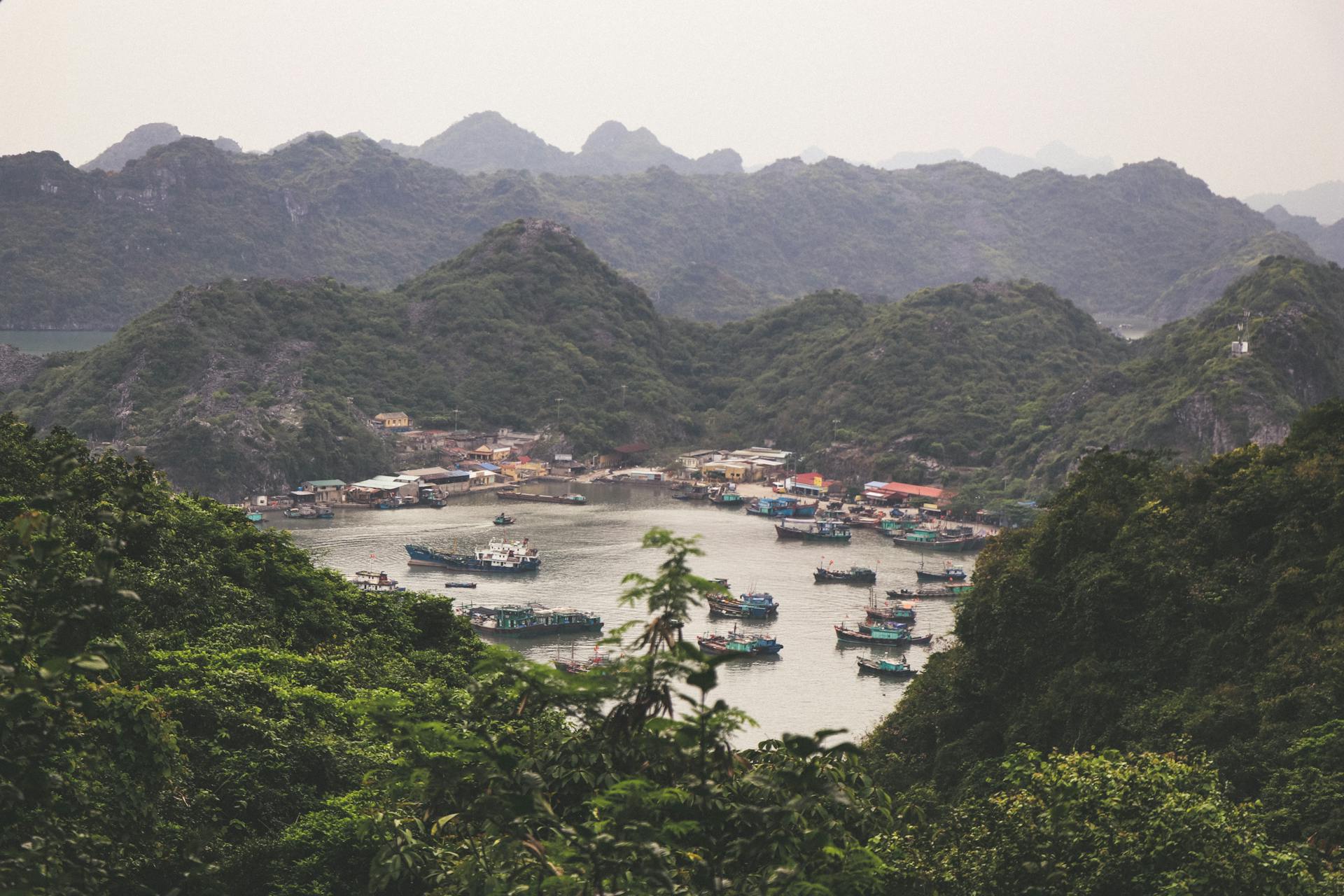
●Ha Long Bay Cruise (Budget Version): While luxury cruises can be pricey, many operators offer day trips or 1-night cruises on Ha Long Bay or Lan Ha Bay (a less crowded alternative) for very reasonable prices, often including food and activities. Shop around for deals, especially in Hanoi.
Extra Budget Hacks
●Local Transport: For getting around cities, use ride-hailing apps like Grab (for motorbikes or cars) which offer fixed, low prices. For inter-city travel, sleeper buses or trains are incredibly cheap and a fantastic way to experience the country while saving on accommodation for a night.
●Negotiate (Respectfully): In markets and with street vendors, gentle negotiation is expected, especially for souvenirs. Do it with a smile! For food, prices are usually fixed.
●Sim Card: Buy a local SIM card upon arrival. Data packages are very cheap, making navigation and communication easy without relying on expensive roaming.
●Cash is King: While credit cards are accepted in larger establishments, many local eateries, markets, and smaller guesthouses are cash-only. Always carry small denominations.
●Hydrate Smart: Buy large bottles of water and refill your reusable bottle, or bring a filtered water bottle to save money and reduce plastic waste.
My Final Wrap-Up
Vietnam is an adventurer’s paradise, a foodie’s dream, and a budget traveler’s best friend. By following these tips, you can immerse yourself in its rich culture, stunning landscapes, and delicious cuisine without once feeling like you’re missing out. Get ready for an incredible journey that proves world-class travel doesn’t need a millionaire’s budget.
What budget-friendly tip has saved you the most money on your travels?
Share your insights in the comments below!
FAQs
What is the cheapest time to travel to Vietnam in 2027?
The cheapest time to travel to Vietnam is generally during the shoulder or low seasons, when flights and accommodation may be more affordable. Travelers should compare prices for different months and avoid major holidays such as Tet, Vietnam’s Lunar New Year, when demand and prices can increase. Booking flights and accommodation early can also help reduce costs.
How much money do I need for a budget trip to Vietnam?
A budget traveler can often manage Vietnam with approximately $20–$40 per day for basic accommodation, local meals, public transportation, and inexpensive activities. Your actual spending will depend on your travel style, destinations, length of stay, and exchange rates. Major cities and popular tourist destinations may require a larger daily budget.
What are the cheapest ways to get around Vietnam?
Local buses, trains, shared vans, and affordable domestic flights are some of the main transportation options in Vietnam. For short distances within cities, public buses and ride-hailing services can be economical. Traveling by overnight bus or train can also help budget travelers save money on one night of accommodation.
How can I save money on food and accommodation in Vietnam?
To reduce expenses, stay in hostels, guesthouses, or budget hotels and compare prices before booking. Eating at local restaurants and street-food stalls is usually much cheaper than dining at international restaurants aimed at tourists. Travelers can also save by drinking filtered or bottled water responsibly, using public transportation, booking activities directly when appropriate, and choosing free or low-cost attractions such as local markets, beaches, temples, and walking tours.