I am Jordan Miles, and I have traveled solo as a woman for seven years across 47 countries. This solo female travel guide exists because the advice available online is either so cautious it would keep you home forever, or so breezy it glosses over the situations that actually catch women off guard. Neither version is useful.
This article is for women who have already decided they want to travel alone — or are close to that decision — and need a working framework, not reassurance. You will leave with a research method for assessing safety, a short list of countries that consistently deliver low-stress solo experiences, protocols for accommodation and night transport, and emergency procedures that do not require a perfect phone signal.
Solo female travel is not inherently dangerous. It is, however, different from male solo travel and different from couple travel, and pretending otherwise leaves you unprepared for specific situations that do come up — most of which are entirely manageable once you know what they are.
Mindset First: Risk Calibration, Not Risk Elimination
The goal is not zero risk. Zero risk means zero movement. The goal is calibrated risk — understanding what is statistically likely versus what is emotionally vivid because it makes headlines. A woman being attacked abroad generates coverage; the tens of thousands of solo female travelers who complete trips without incident do not.
I have had my bag snatched once, in Naples, because I put it down on a café chair beside me at 11pm on a street I should not have lingered on that late. That was a failure of situational awareness, not evidence that solo travel is too dangerous. Calibrate using data, not narrative.
Concrete risk calibration looks like this: petty theft in tourist-heavy cities is high-probability, low-consequence. Violent crime against foreign women is low-probability in most destinations you are considering. Sexual harassment exists on a spectrum and is culturally variable — it is worth researching specifically, because it does not show up in general crime statistics and it affects female solo travelers differently than it affects men traveling alone.
Solo Female Travel Guide: How to Research Safety Before You Book
General travel advisories from the US State Department or UK Foreign Office are useful for political instability and health alerts. They are almost useless for assessing what it is like to walk alone at night as a woman in a specific neighborhood of a specific city. You need a second layer of research.
Where to Find Female-Specific Safety Data
Solo Female Travelers Facebook group (2.8 million members as of 2024): Search the group name plus your destination. Read posts from the last 18 months — not older, because conditions change. Look for reports from women with similar demographics to yours, because harassment patterns vary by race and age as well as gender.
Girls LOVE Travel Facebook group (over 1 million members): Same search method. Good for destination-specific questions answered within hours.
Solo female travel blogs with verifiable recent travel: Check the date on every post. A “safety guide” to a country written in 2018 may describe a completely different security environment. Blogs I trust include those that cite specific neighborhoods, specific transport lines, and specific times of day — not ones that say “generally safe.”
Numbeo crime index plus Hollaback harassment data: Cross-reference these. A country with moderate general crime but high street harassment scores (parts of South Asia, Egypt) creates a different experience than a country with higher theft but low harassment (parts of Eastern Europe).
The Six Countries That Consistently Work for Solo Female Travelers
I am not claiming these are the only safe destinations. I am saying these six have delivered consistently low-stress experiences across multiple trips, are supported by data, and come up repeatedly in the research of experienced female travelers.
Portugal: Low violent crime, strong café culture that makes solo women visible without making them targets, excellent public transport in Lisbon and Porto. The Algarve south coast requires a car or organized tour in off-season. Budget: €60-90/day including accommodation in a mid-range hostel or guesthouse.
New Zealand: Consistently ranks in the top five of the Global Peace Index. Drivers stop for pedestrians. Hitchhiking is practiced by locals, though I do not recommend it as a first-trip strategy. Budget: NZ$120-160/day is realistic — this is not a cheap destination.
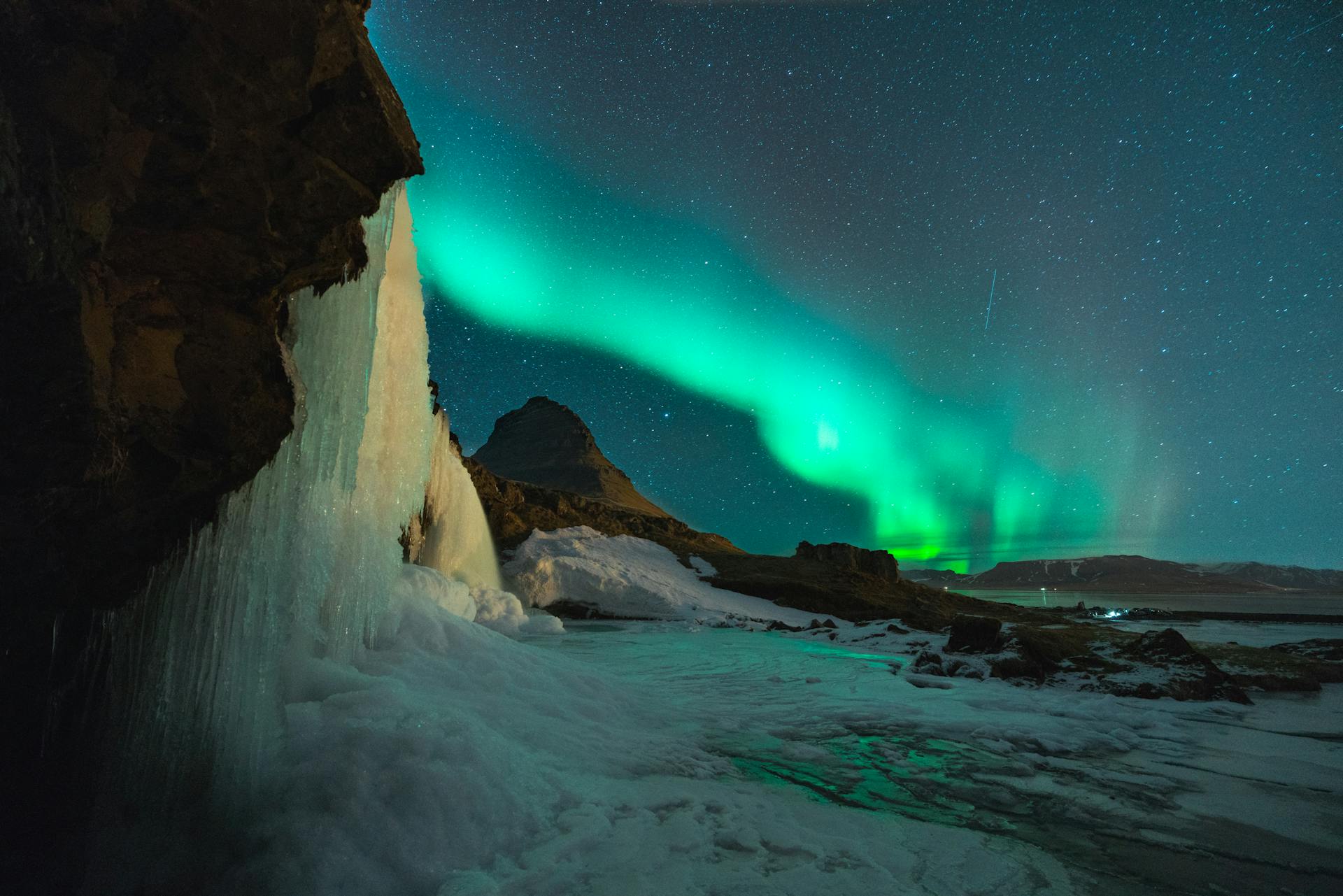
Iceland: Almost no street harassment. The capital Reykjavik has one of the lowest crime rates in Europe. The ring road is drivable solo if you are comfortable with changing weather and long stretches without mobile signal — download maps offline before leaving Reykjavik. Budget: ISK 20,000-28,000/day (roughly $145-200 USD).
Japan: Lowest street harassment I have personally experienced in any country. Tokyo and Kyoto are both extraordinarily navigable for non-Japanese speakers thanks to bilingual signage. Women-only train carriages exist on most major lines — they are marked with pink signs and operate during rush hours. Budget: ¥8,000-12,000/day in cities if you use convenience stores for some meals.
Taiwan: Underrated and undervisited. Taipei’s MRT runs until midnight, is clean, and has dedicated women’s safety areas in stations. Locals will physically walk you to your destination if you look lost — this has happened to me three times. Budget: NT$2,000-2,800/day.
Costa Rica: The strongest infrastructure for solo tourism in Central America. Sticks to the established tourist trail (Arenal, Manuel Antonio, Monteverde) and you have well-lit streets, reliable taxis via the inDriver app, and hostels with 24-hour reception. Venture outside that circuit and the calculus changes — factor that in deliberately. Budget: $70-100/day.
Accommodation: The Decisions That Actually Matter
Female-only dorms are not just about safety — they are about sleep quality and comfort when you are traveling alone and do not want to share a room with unknown men. Most quality hostels offer them. The price difference over a mixed dorm is usually $3-8/night. Pay it on your first few trips until you have calibrated your own comfort level.
Reading reviews for safety signals: Filter for solo female reviewer language. Phrases like “felt comfortable coming back late,” “24-hour reception,” “well-lit entrance,” and “lockers with actual locks” tell you more than a star rating. A pattern of reviews mentioning noise without mentioning safety issues is actually a good sign — it means safety is not a concern worth raising.
Location logic: A cheap hostel 45 minutes outside the center will cost you €8/night in accommodation and force you into taxis after dark every time you socialize. A hostel that costs €15 more per night in the center eliminates that calculation entirely. I have done this math on over 30 trips — the central accommodation wins in both cost and safety when you account for transport.
Handling Attention: What Actually Works
Unwanted male attention as a solo female traveler is not universal, but it is common enough that you need a response protocol before you encounter it, not during. Improvised responses rarely work as well as practiced ones.
The non-engagement rule: In high-harassment environments (Morocco, Egypt, parts of India and Southeast Asia), any verbal response — including “no,” including “I have a boyfriend,” including “please leave me alone” — signals engagement and often escalates. Walking with purpose, avoiding eye contact, and not responding verbally at all is the protocol that works in practice. This is uncomfortable. It feels rude. It works.
Cultural context matters: In Japan, direct eye contact from a solo woman in a bar reads as an invitation to many men. In Portugal, a direct “não, obrigada” and turning away is read correctly as a refusal and is usually respected. Learn the local register before you need to use it.
The fictional husband: I wear a plain ring on my left hand in destinations where this changes the interaction dynamic. In Morocco, Egypt, and parts of rural Southeast Asia, it changes interactions immediately and measurably. In Iceland, it is irrelevant. Know where it helps.
Dress Code Strategy: Culture-Specific Without Erasing Yourself
The goal is not to dress like a local — you will not, and attempting to do so often looks more conspicuous than dressing like a visitor. The goal is to remove the signals that attract unwanted attention in that specific cultural context.
In conservative Muslim-majority countries (Jordan, Morocco, Malaysia outside Kuala Lumpur), loose trousers and a long-sleeved top covering the collarbone costs nothing, requires packing one extra item, and reduces harassment by a margin I have tested personally across multiple trips. In Japan, modest but contemporary clothing reads exactly as it does at home. In Bali, a sarong over your shorts when entering temples is not optional — it is required and $1 sarongs are sold at every entrance.
Keep one scarf in your day bag in any destination with variable dress norms. It weighs almost nothing and covers shoulders, head, and legs as needed. I have used mine in churches in Italy, mosques in Turkey, and temples in Cambodia.
Night Transport Protocol
This is where most of the situations I have heard about from other travelers occurred — not in dramatic circumstances, but in the ordinary decision of how to get home after 10pm.
Pre-book or app-book, do not flag: In cities with Uber, Grab, Bolt, or inDriver, book via app every time. You have a registered driver, a route on record, and a receipt. Flagging down unmarked cars or accepting offers from men in regular vehicles outside airports or train stations is the single riskiest transport decision a solo female traveler makes.
Share your ride in real time: Uber, Grab, and Bolt all have share-journey features. Before the car moves, send the ride details to one contact. This takes 15 seconds and means someone knows your driver’s name, license plate, and route.
Sit behind the driver, not beside them: This gives you the largest possible space between you and the driver, allows you to exit either rear door, and reduces casual conversation that can escalate. I have done this on hundreds of rides across 30 countries — it has never been questioned.
Building Community While Traveling Solo
Solo travel does not mean isolated travel. The infrastructure for meeting other female travelers has never been more developed.
Hostel common rooms between 6pm and 9pm are when other solo travelers are looking for dinner company. Show up, order something, and make eye contact. Three times out of four you will leave with dinner plans. I have had meals alone in hostels twice in seven years of solo travel — both times because I chose to.
Meetup.com and Couchsurfing meetups: Couchsurfing’s meetup function (not the accommodation function) aggregates traveler meetups in most cities of over 500,000 people. You attend as a group, in a public place, with people who have verifiable profiles. This is different and safer than private accommodation arrangements.
Tourlina app: Specifically matches female travelers for activities and companionship. Useful for day trips to places you would rather not navigate alone on a first visit.
Emergency Protocols
Have these in place before you need them. Locating a police station while something is happening to you is a different cognitive task than locating one while sitting calmly in your accommodation.
Screenshot your accommodation address in the local language and save it offline. If your phone dies or you lose signal, you can show it to any taxi driver or passerby.
Know the local emergency number — it is not always 911 or 999. In Europe it is 112. In Japan it is 110 for police, 119 for ambulance. In Australia it is 000. Research this for each destination and save it in your phone under “EMERGENCY [Country].”
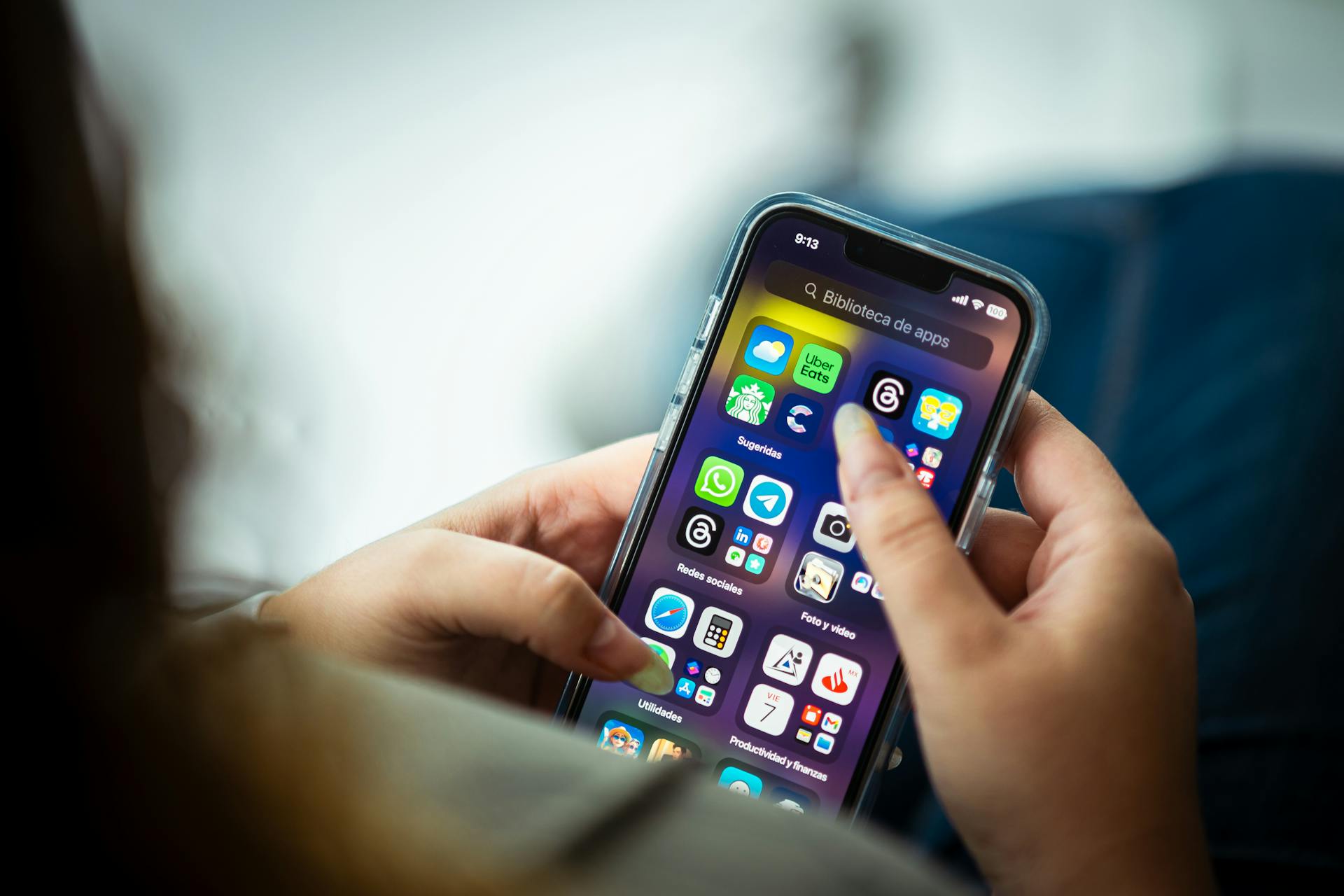
bSafe app: Allows a trusted contact to follow your location in real time and sends an automatic alert if you activate the SOS function or stop moving. Free for basic features. I activate this every time I am in an unfamiliar city after dark.
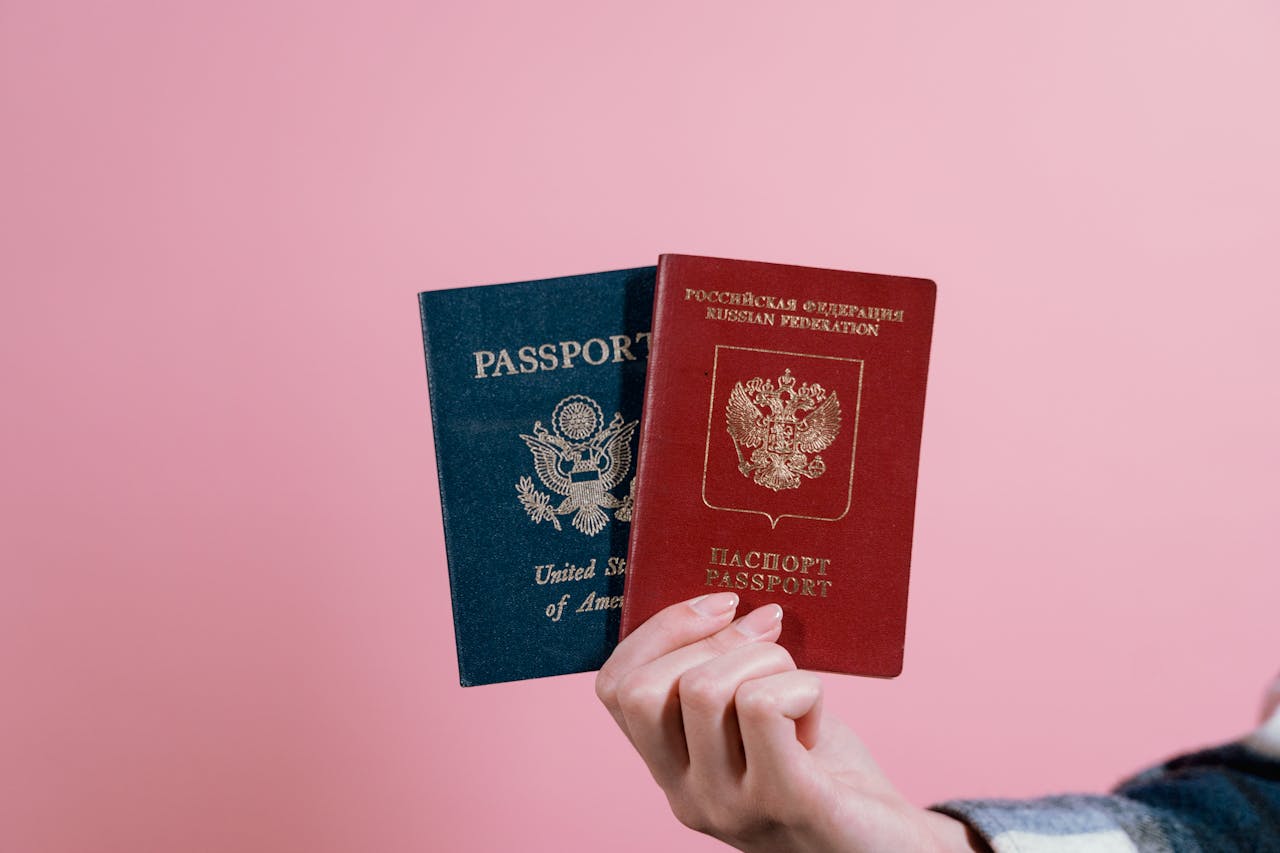
Your country’s embassy number: Save it before you travel. In a genuine emergency — arrest, serious assault, lost passport — the embassy is your first call, not local police. Response times vary but they have legal authority that no app provides.
Common Mistakes Solo Female Travelers Make
1. Over-researching fear and under-researching logistics. Spending 10 hours reading assault statistics and 30 minutes reading transport options means you arrive anxious about a low-probability event and unprepared for the high-probability one: getting from the airport to your hostel at midnight. Invert this ratio.
2. Booking accommodation outside the city center to save money. As outlined above, this rarely saves money once transport is factored in and consistently increases the number of decisions you have to make after dark. First-time solo travelers should book central, even at a premium.
3. Using the same non-engagement strategy everywhere. Complete silence in Morocco, where it works, becomes odd and off-putting in Portugal, where a brief, firm “no” works better. Read the cultural context — a response that works in one country can escalate a situation in another.
4. Failing to download offline maps before leaving Wi-Fi. Google Maps and Maps.me both allow offline downloads by region. A woman standing on a street corner staring at her phone trying to load directions is both a safety risk and a pickpocket target. Download maps before you leave your accommodation every morning. I have done this consistently for five years and it has saved me from navigating on a live connection more times than I can count.
5. Sharing your solo travel status with strangers on day one. “Are you traveling alone?” deserves “no, my partner is back at the hotel” in any situation where the questioner is a stranger in a low-trust environment. This is not paranoia — it is the same information management you would use at home.
6. Assuming a female hostel dorm is automatically safe for your valuables. Female dorms reduce the specific risk of male intrusion. They do not eliminate theft. Use the locker provided, lock your passport in it, and carry only the day’s cash in your day bag. Female-only does not mean theft-proof.
Money-Saving Strategies for Solo Female Travelers
Solo travel has a structural cost disadvantage: you cannot split accommodation, transport, or tour costs. These strategies close that gap.
Female-only dorms versus private rooms: A female dorm bed in Lisbon costs €18-25/night. A private room in the same hostel costs €55-80/night. Over a 14-day trip, that difference is €518-770. Sleep in dorms for the first three or four nights to meet other travelers, then upgrade to a private room if you need recovery sleep — this hybrid approach costs roughly €350 less than private rooms throughout.
Travel during shoulder season: Portugal in October versus August costs 35-45% less for flights and 20-30% less for accommodation, has less tourist density, and has the same weather as August in many northern European perspectives. Japan in November (autumn foliage) costs 25% less than sakura season in April with equivalent scenery.
Female traveler Facebook groups for trip-split opportunities: Post in Solo Female Travelers or Girls LOVE Travel that you are doing a specific route on specific dates and ask if anyone wants to share a car rental or tour cost. I have shared car rentals in Iceland (halved a €95/day cost) and boat tours in Croatia three times using this method.
Use female-founded travel companies for tours: Companies like Intrepid Travel’s women-only departures and Flash Pack for solo travelers in their 30s and 40s charge group rates, include vetted guides, and offer built-in community. The per-day cost is often competitive with independent travel once you factor in the guides and built-in transport.
Pro Tips for Experienced Solo Female Travelers
1. Map the walk from your accommodation to the nearest late-night transport on arrival day, in daylight. Walking an unfamiliar route for the first time at midnight is a different experience than walking it at 4pm. Do it in daylight first. Note the landmarks, the lighting, and the street activity. This is a habit I formed after my fourth solo trip and have not abandoned since.
2. Carry a doorstop alarm for accommodation with questionable door locks. A rubber door wedge with an alarm ($8-12 on Amazon) fits in any bag and makes any door — including ones with flimsy locks — significantly harder to open from outside. I have used this in guesthouses in Southeast Asia and budget hotels in South America where the lock situation was unclear.
3. Register with your embassy’s traveler registration program before every trip. The US STEP program (Smart Traveler Enrollment Program), the UK’s equivalent FCDO registration, and similar programs in Canada, Australia, and New Zealand are free and take eight minutes. They allow your embassy to contact you in a national emergency, natural disaster, or political event. Most experienced travelers have not done this. Do it.
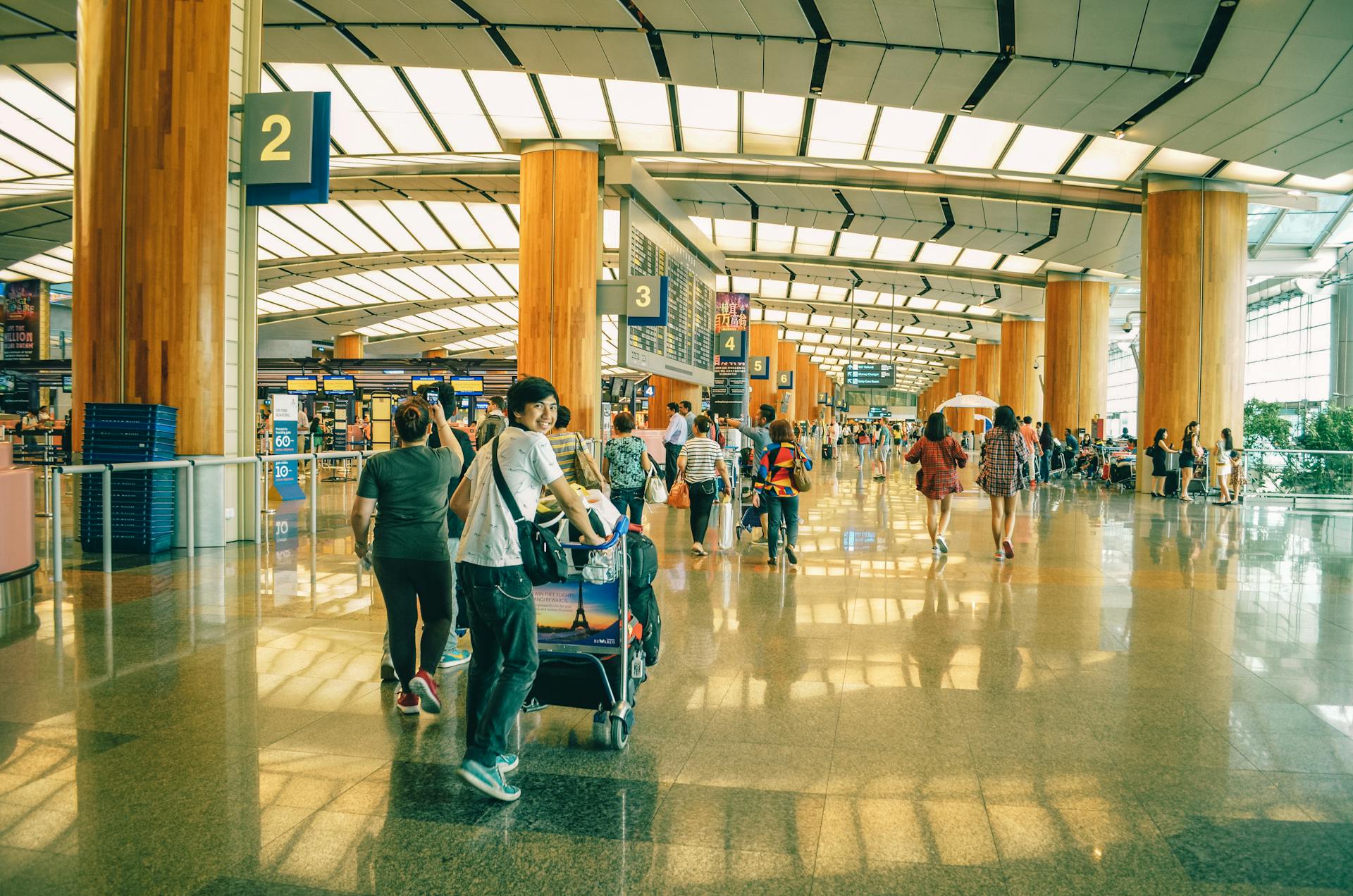
4. Pre-load a local SIM or international plan before you land. Arriving in a new country and spending 45 minutes finding a SIM vendor in an airport while managing luggage is a vulnerability window. Buy an eSIM via Airalo before departure for $5-15 for 7-day regional data. You land with connectivity and can immediately use maps, book transport, and contact accommodation.
5. Build a “trust network” across destinations by using the same hostel chains. Generator, Selina, and A&O hostels across Europe maintain consistent safety standards. If you have had a good experience at a Generator in Amsterdam, the Generator in Rome will have the same locker systems, lighting standards, and 24-hour reception. Consistency reduces the decision fatigue of vetting new accommodation from scratch in every city.
Quick Reference Checklist
- Research female-specific safety via Solo Female Travelers and Girls LOVE Travel Facebook groups, posts from last 18 months only
- Cross-reference Numbeo crime data with Hollaback harassment data for destination-specific risk picture
- Book central accommodation even at a premium on first visits — factor in transport cost savings
- Book female-only dorm on first three to four nights to meet other travelers
- Use Uber, Grab, Bolt, or inDriver — never flag unmarked vehicles after dark
- Share ride details via app before the car moves
- Sit behind the driver, not beside them
- Download offline maps for each city before leaving accommodation each morning
- Screenshot accommodation address in local language, saved offline
- Save local emergency number and embassy number before traveling
- Download bSafe app and activate when alone after dark
- Pack one scarf for variable dress code situations
- Pack a doorstop alarm for accommodation with uncertain locks
- Register with your country’s embassy traveler program (STEP or equivalent)
- Buy eSIM via Airalo before departure for immediate connectivity on arrival
Frequently Asked Questions
What is the best first destination for solo female travel?
Portugal and Japan are the two I recommend most consistently for first-time solo female travelers. Portugal has excellent English-language infrastructure, low harassment rates, and compact cities that are navigable on foot. Japan has the lowest harassment I have measured anywhere and extraordinary public transport. Both are forgiving of first-trip navigation mistakes.
How much does solo female travel cost compared to couple travel?
Expect to pay 25-40% more per day than you would as half of a couple, because accommodation, tours, and transport cannot be split. A realistic mitigation: use hostel dorms for accommodation (€18-30/night versus €55-80 for a private room), and post in female travel groups for cost-sharing on car rentals and tours. Budget destinations in Southeast Asia narrow this gap significantly.
When is the best time to book flights for solo travel?
For Europe, six to eight weeks ahead of travel for shoulder season (May-June, September-October) consistently produces the lowest fares for flexible travelers. For Japan during cherry blossom season (late March to early April), book flights four to five months ahead — this season sells out early and prices escalate sharply inside the eight-week window.
Is solo female travel actually safe or is that just something people say?
It is genuinely safe in most destinations when you use specific protocols — not because nothing bad ever happens, but because most risks are identifiable and manageable. The Global Peace Index 2023 ranks over 100 countries as stable travel environments. The risks specific to women — primarily harassment and theft — are real but are dramatically reduced by the accommodation, transport, and behavioral protocols described above.
How do I handle being followed or persistently approached?
Enter the nearest shop, café, or hotel lobby immediately — not a side street. Establishments with staff create a witness environment and give you time to assess. In a hotel lobby specifically, approach the reception desk and say you are waiting for your partner. Staff in hotel lobbies are trained to manage exactly this situation and will not ask you to prove you are a guest.
Do I need travel insurance as a solo female traveler?
Yes, and this is non-negotiable when traveling alone because you do not have a companion who can manage a medical or emergency situation on your behalf. World Nomads and SafetyWing both cover medical evacuation, which is the coverage that matters most. A medevac from Southeast Asia to your home country without insurance costs $50,000-100,000 USD. Annual multi-trip World Nomads coverage costs $400-600 USD.
What apps are most useful for solo female traveler safety?
The three I use on every trip: bSafe for real-time location sharing with a trusted contact and SOS alerts; Maps.me for fully offline navigation (download before you leave Wi-Fi); and the local version of a ride-hailing app (Uber, Grab, Bolt, inDriver depending on region) for every journey after dark. All three are free for core features.