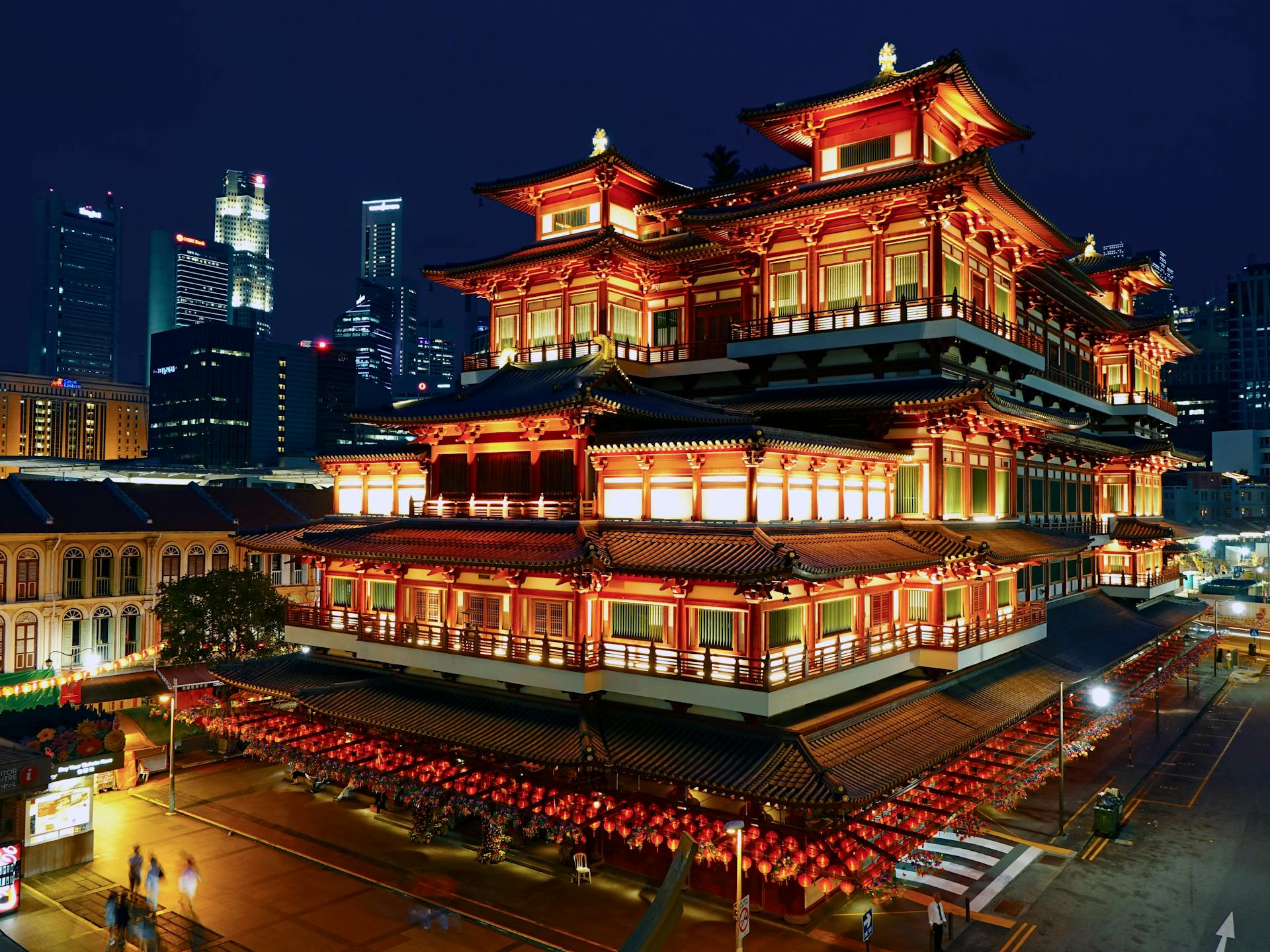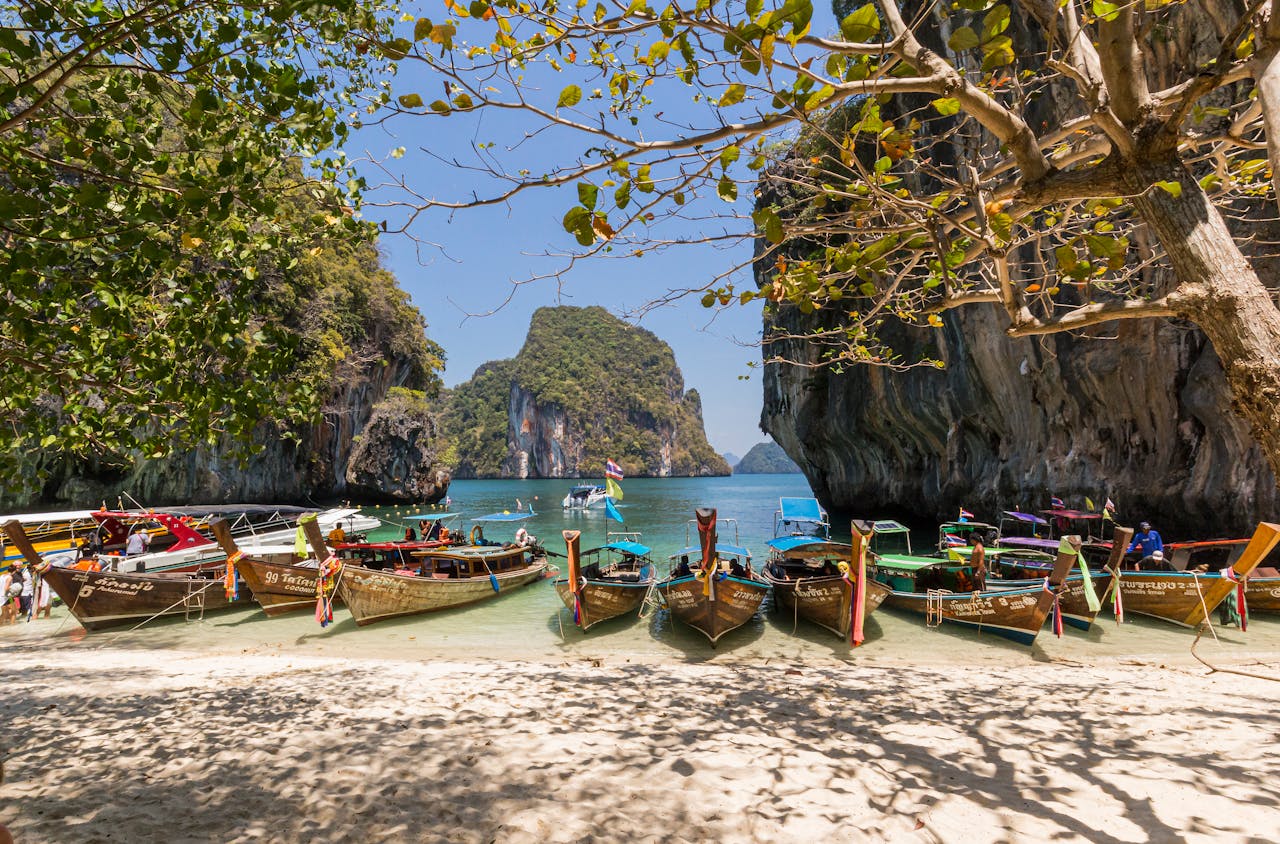
So, you’re going to Thailand. You’ve probably seen the pictures: the magnificent Grand Palace in Bangkok, the postcard-perfect beaches of Koh Phi Phi, and endless bowls of pad thai. But what if you want to go deeper? Most travelers follow the same well-worn path, but the real Thailand—the one locals know and love—is just around the corner.
This guide will help you skip the tourist traps and discover the “secret” side of the country. From how to eat and get around to the cultural nuances that make all the difference, here are a few tips for traveling Thailand like a local.

Tip 1: Ditch the Tuk-Tuk, Master Local Transport
Tourists love tuk-tuks, but locals in Bangkok rarely use them for anything other than hauling market goods. They are often overpriced and stuck in the city’s infamous traffic.
● In Bangkok: The real city-beating secret is the Khlong Saen Saep canal boats. These are fast, unbelievably cheap, and a wild ride. They zip along the city’s canals, bypassing all gridlock. It’s not a scenic cruise—it’s loud, chaotic, and about how commuters actually get to work.
● In Chiang Mai: Locals don’t really use tuk-tuks. They use the Songthaew (pronounced song-tao). These are the red pickup trucks with benches in the back. You flag one down, tell the driver where you’re going, and hop in with other passengers. It’s a shared taxi and the cheapest way to navigate the city.
Tip 2: Eat Where the Office Workers Eat
You’ll find good food at tourist night markets, but you’ll find great food where the locals are. The secret is to look for the “ugly-delicious.”
● Look for Shophouses: Ignore the fancy decor. The best restaurants are often no-frills, family-run shophouses with metal tables, plastic stools, and a single, weathered menu on the wall (often only in Thai). If it’s packed with office workers or students at lunchtime, you’ve found the spot.
●Explore Local Markets: Skip the “tourist” markets and head to one for locals. In Bangkok, Wang Lang Market (near Siriraj Hospital) is a legendary food haven where you’ll be one of the only foreigners.
●Order it “Local Style”: If you like spice, don’t just say “spicy.” Say “pet mak mak” (very spicy) or “pet tamada” (normal spicy) to get the real, un-toned-down version.
Tip 3: Understand the “Wai” (and “Face”)
The “Wai”—the polite, prayer-like gesture—is a beautiful part of Thai culture, but tourists often get the etiquette wrong.
● You Don’t Always “Wai” First: As a visitor, you are not expected to initiate the “wai” to staff at a hotel, a restaurant, or a shop. A warm smile and a “thank you” (khop khun ka/krap) is often more appropriate. They will “wai” you as a sign of respect, and you can return it. Never “wai” a child.
● Never Lose Your “Face”: “Face” is a critical concept of personal honor and reputation. Raising your voice, getting visibly angry in public, or causing a confrontation is the fastest way to lose respect. If you have a problem, a calm, quiet, and smiling approach will get you much further.
Tip 4: Your Feet are “Low,” Your Head is “High“
This is a cultural secret that will earn you immense respect. In Thai culture, the head is the most sacred part of the body, and the feet are the lowliest.
●Mind Your Feet: Never point your feet at a person, a religious icon, or a picture of the King. When sitting in a temple, tuck your feet behind you instead of pointing them toward the Buddha statue.
● Don’t Touch Heads: Avoid touching a Thai person’s head or ruffling their hair—even a child. It’s considered disrespectful.
●Shoes Off, Always: This is non-negotiable. Always remove your shoes before entering a temple, someone’s home, and even many small shops. Look for the pile of shoes at the door—that’s your cue.
Tip 5: Visit the “Other” Islands
Phuket and Koh Samui are famous, but many locals find them over-crowded and expensive. When Thais go to the beach, they often head for quieter, less-developed islands. If you want a more authentic vibe, consider these:
●Koh Kood (or Koh Kut): Near the Cambodian border, this island is known for its lush jungles, stunning waterfalls, and pristine, quiet beaches. It’s about tranquility, not parties.
●Koh Lanta: While it’s getting more popular, it has retained a much more relaxed, family-run, and “local” feel than its neighbors, Krabi and Phuket.
●Khanom: On the mainland (not an island), this area is a true local secret. It’s a sleepy coastal town famous for its rare, pink-hued dolphins.
Bonus: Apps Locals Actually Use
● Line: Forget WhatsApp. All of Thailand runs on Line. It’s used for everything, from texting friends to making business appointments.
●Grab: This is the Uber of Southeast Asia. It’s the most reliable way to get a car or motorbike taxi at a fixed, fair price.
●GoWabi: This is a secret weapon for booking spas, massages, and salon appointments, often at a significant, locally-sourced discount.
My Final Advice
The true magic of Thailand isn’t just in its famous sights; it’s in the small, everyday interactions. Be open, be respectful, and don’t be afraid to wander away from the crowds. The most memorable experiences are often the ones you never planned.
What’s the first “local” thing you’re excited to try in Thailand?
FAQs
What is the best way to experience Thailand like a local?
The best way to experience Thailand like a local is to explore neighbourhood markets, eat at family-owned restaurants, use public transportation, and visit attractions outside the usual tourist areas. Learning a few basic Thai phrases, respecting local customs, and attending community festivals can also help you understand Thai culture more deeply.
What is the cheapest way to get around Thailand?
Public transportation is generally one of the cheapest ways to travel around Thailand. In Bangkok, the BTS Skytrain and MRT subway are convenient options, while local buses and songthaews, which are shared pickup trucks used as public transport, can be affordable in other areas. For short distances, walking is another great option. Always agree on the fare before starting a journey in a tuk-tuk if the price is not fixed.
What local foods should visitors try in Thailand?
Visitors should try authentic Thai dishes such as pad kra pao, som tam, khao soi, boat noodles, and mango sticky rice. Local markets and small neighbourhood eateries often offer delicious meals at lower prices than restaurants in major tourist districts. If you enjoy street food, choose busy stalls with freshly prepared meals and good food-handling practices. Remember to specify your preferred spice level when ordering.
What cultural rules should tourists know before visiting Thailand?
Visitors should dress modestly when visiting temples, remove their shoes when required, and avoid touching people’s heads or pointing their feet at people or sacred objects. The traditional wai, a greeting made by placing the palms together, is a respectful gesture worth learning. Visitors should also treat Buddhist images and the Thai royal family with respect and follow local laws. Being polite, patient, and mindful of local customs can make your trip more enjoyable.