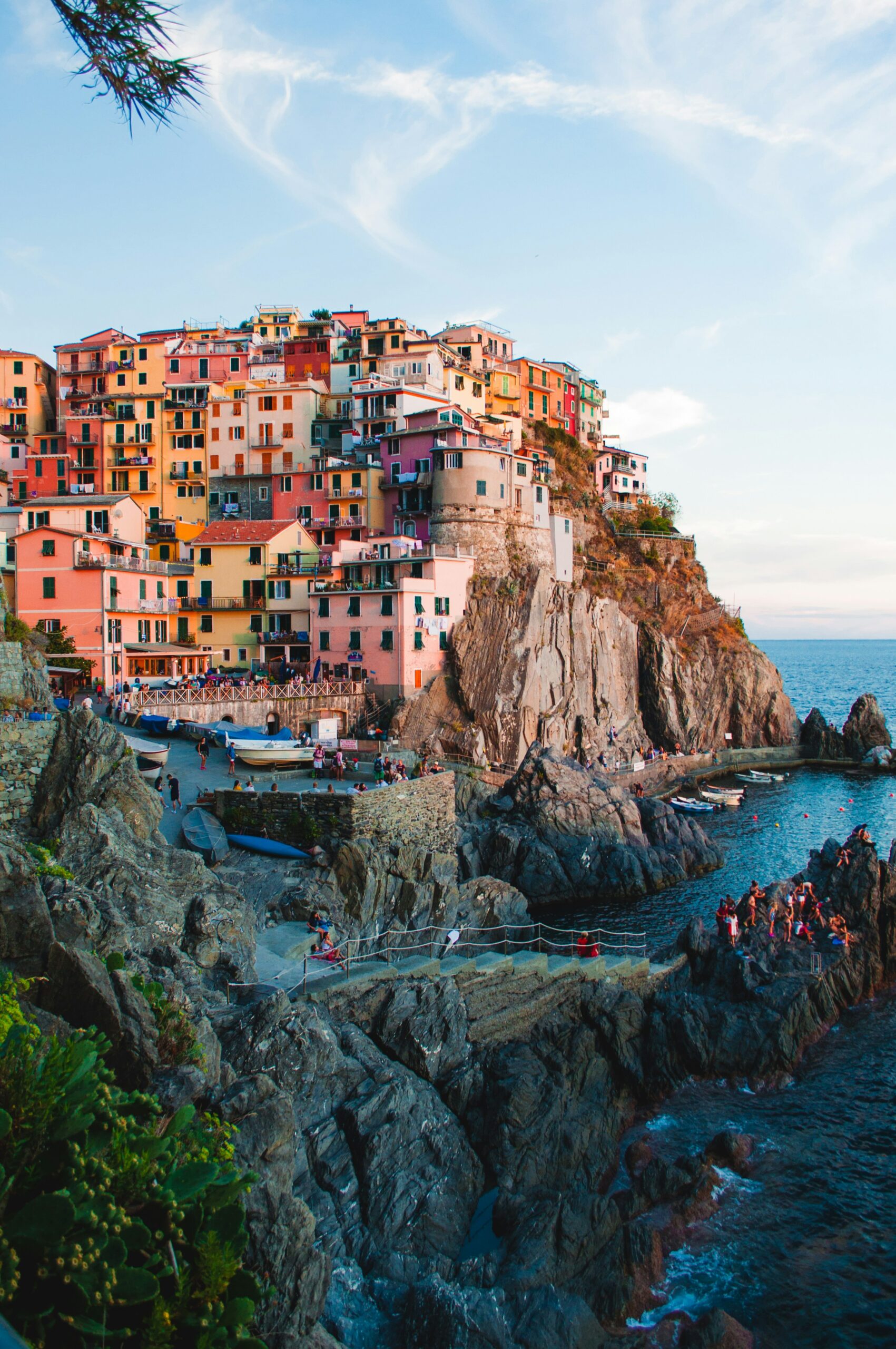
Think you can’t visit Italy—the land of pasta, priceless art, and the Colosseum—without breaking the bank? Think again. A trip to la bella vita (the good life) is absolutely possible for the savvy traveler. You don’t have to skip the gondola rides or survive on breadsticks. This guide will show you how to save money on the big-ticket items so you can spend it on what truly matters: another scoop of gelato.
Getting There Cheaply
Your flight will be one of your biggest expenses, so timing is key.
●Fly in the “Shoulder Season”: Avoid the peak summer crowds and prices of June through August. The best time to go for a balance of good weather and lower costs is the shoulder season: April-May and September-October.
●Go in the Off-Season: If you don’t mind cooler weather, you’ll find the absolute rock-bottom flight and accommodation prices from November to February (just avoid the week of Christmas).
●Choose Your Airport: Don’t just look at flights to Rome. Compare prices for flying into major hubs like Milan (MXP) or Rome (FCO), which are often cheaper, and then take a budget train to your final destination.
Affordable Accommodation
Forget expensive hotels. Italy has unique and charming budget-friendly options.
● Look Beyond Hostels: While hostels are a great choice in big cities, also look for B&Bs (Bed and Breakfasts) and convents/monasteries that rent out clean, quiet rooms.
●Stay at an Agriturismo: In the countryside (like Tuscany or Umbria), your best bet is an agriturismo (a working farm-stay). It’s often cheaper than a hotel, the food is incredible, and it’s a deeply authentic experience.
●Stay Outside the Center: Instead of paying a premium to sleep next to the Colosseum, stay in a residential neighborhood (like Rome’s Testaccio or Florence’s Oltrarno). You’ll save money, and you’ll be where the locals eat.
Eating Cheap
You can eat incredibly well in Italy without ever stepping into a “fancy” restaurant.
●Master the Aperitivo: This is the ultimate budget food hack. In the early evening (usually 6 PM–8 PM), bars across Italy offer aperitivo. You buy one drink (priced slightly higher, around €10–€15) and get free access to a buffet of snacks, which can often be a full meal of pasta, salads, and meats.
●Drink Coffee Like a Local: Never sit down for a caffè (espresso). Drink it standing up at the bar (al banco). The price is legally fixed and costs just over €1. If you take that same coffee to a table, the price can triple.
●Picnic from the Market: For lunch, go to a local market (mercato) or an alimentari (a small grocery). Buy fresh bread (pane), cheese (formaggio), and cured meats (salumi) for a delicious picnic.
●Pizza al Taglio: Look for shops selling pizza al taglio (pizza by the slice). It’s cheap, delicious, and the perfect quick lunch.
Things to Do for Free (or Cheap)
The best of Italy is often found in the streets, not behind a ticket counter.
●Embrace the Piazzas: Italy’s public squares (piazze) are its living rooms. People-watching in Rome’s Piazza Navona, Florence’s Piazza della Signoria, or Venice’s St. Mark’s Square is a priceless experience.
●Visit Churches: Almost every church in Italy is a free-to-enter art museum. You can see works by Michelangelo, Bernini, and Caravaggio in Rome’s churches for absolutely zero cost. The Pantheon in Rome is also free.
●Find Free Views: Don’t pay for an elevator to a rooftop bar. Walk up to Piazzale Michelangelo in Florence for a panoramic sunset view of the city, or climb the Pincian Hill in Rome for a stunning view over Piazza del Popolo.
● First Sunday of the Month: Plan your trip so that you are in a major city on the first Sunday of the month. Most state-run museums and archaeological sites (like the Colosseum, Roman Forum, and Uffizi Gallery) offer free admission.
Extra Budget Hacks
●Take Regional Trains: When traveling between cities (e.g., Florence to Rome), don’t take the fast, expensive Frecciarossa train. Opt for the treno regionale (regional train). It’s slower but a fraction of the price, and you’ll get to see the countryside.
●Drink the “Nasoni” Water: Bring a reusable water bottle. Rome (and many other cities) has thousands of public drinking fountains (called nasoni, or “big noses,” in Rome) with cold, fresh, and perfectly safe drinking water.
●Understand the Coperto: You will notice a coperto (cover charge) of €1–€3 per person on your restaurant bill. This is not a scam; it’s a standard fee for the bread and table setting. Because of this, tipping is not expected. Just round up the bill to the nearest euro to show appreciation.
Wrap-Up
Italy doesn’t have to be a once-in-a-lifetime splurge. By traveling smart, eating like a local, and embracing the simple pleasures, you can have a rich, authentic experience. Focus on the aperitivo, the free piazzas, and the regional trains, and you’ll come home with incredible memories—and money still in your pocket.
FAQs
What is the cheapest time to travel to Italy on a budget?
The cheapest time to visit Italy is generally during the low season, from November to March, excluding Christmas and New Year holidays. During this period, flights and accommodation may be more affordable, and popular attractions are often less crowded. Travelling in spring (April to May) or autumn (September to October) can also offer a good balance of pleasant weather and reasonable prices.
How much money do I need to travel around Italy on a budget?
Budget travellers can typically plan to spend around €50 to €100 per person per day, depending on the destination, accommodation, transportation, and activities. This estimate may cover hostel accommodation, affordable meals, public transportation, and selected attractions. Major cities such as Rome, Milan, Venice, and Florence may cost more, so booking accommodation early and preparing a daily spending plan can help reduce expenses.
How can I save money on food while travelling in Italy?
You can save money on food in Italy by eating at local trattorias, pizzerias, bakeries, and markets instead of expensive tourist restaurants. Buying groceries from supermarkets and preparing some meals can also lower your expenses. Take advantage of affordable pizza slices, sandwiches, and takeaway meals, and look for restaurants away from major tourist attractions. Italian tap water is generally safe to drink where local advisories do not indicate otherwise, so carrying a reusable water bottle can also help you save.
What are the best ways to explore Italy without spending too much money?
The best ways to explore Italy cheaply include using trains and buses booked in advance, walking around historic city centres, and visiting free attractions such as public squares, churches with free entry, and scenic viewpoints. Consider purchasing attraction passes only when they offer genuine savings, and check for free museum admission days. You can also visit smaller towns, where accommodation and food may be less expensive than in major tourist destinations, allowing you to experience Italy’s culture, history, and cuisine without exceeding your budget.
Do you have any other budget tips for traveling in Italy?
Share them below